
The best tea for digestion depends entirely on what your gut is actually doing. Peppermint for cramps and gas, ginger for nausea and slow stomach emptying, fennel for flatulence, chamomile for stress-linked upset, green tea for low-grade inflammation, licorice for acid discomfort, black tea for loose stools, and holy basil for anxiety-driven digestive trouble. These are supportive remedies, not substitutes for medical care. If symptoms are severe, persistent, or worsening, see a clinician before reaching for the kettle.
Quick symptom-to-tea shortlist:
- Cramps and bloating: Peppermint
- Nausea and slow digestion: Ginger
- Gas and flatulence: Fennel
- Stress-related stomach upset: Chamomile
- Low-grade inflammation, microbiome support: Green tea
- Acid discomfort (mild): Deglycyrrhizinated licorice (DGL)
- Loose stools, diarrhea: Black tea
- Anxiety-driven digestive upset: Holy basil (tulsi) or spearmint
Key Takeaways
Matching the right herbal tea to your specific symptom, brewing it correctly, and knowing its safety limits is what separates effective digestive self-care from guesswork.
| Point | Details |
|---|---|
| Match tea to symptom | Peppermint for cramps, ginger for nausea, fennel for gas, chamomile for stress-linked upset. |
| Brew covered, steep fully | Cover your mug while steeping to retain volatile oils; use 1–2 tsp per 8 oz for 5–10 minutes. |
| Know the safety limits | Peppermint worsens reflux; non-DGL licorice raises blood pressure; ginger interacts with anticoagulants. |
| Evidence is real but limited | Most strong trials use extracts, not brewed tea; treat tea as supportive, not curative. |
| Aurumhaus for quality sourcing | Small-batch, traceable botanical teas with Canadian shipping via the Rare Botanicals collection. |
Table of Contents
- How each tea for digestion actually works
- How to brew digestive teas for maximum effect
- Safety, contraindications, and herb-medication interactions to watch for
- When tea isn’t enough: red flags that need a clinician
- What the clinical research actually shows about tea for digestion
- Side effects and allergy considerations beyond the main contraindications
- Where to buy quality herbal teas in Canada
- How to store herbal teas to keep them potent
- Mindful tea drinking as part of digestive self-care
- Aurumhaus botanical teas for digestive wellness
- Sources
How each tea for digestion actually works
Herbal teas support digestion through distinct mechanisms: antispasmodic, carminative, pro-motility, and anti-inflammatory. Knowing which mechanism you need is how you pick the right cup.
Peppermint
Peppermint’s menthol relaxes smooth muscle in the GI tract, which is why it reliably eases cramps and bloating. A 2023 review confirmed peppermint oil’s antispasmodic effects and clinical benefit across multiple IBS trials, though brewed tea delivers lower concentrations than the enteric-coated capsules used in those studies. Still, for everyday cramping and gas, a strong cup after meals is a reasonable first move. Mount Sinai’s clinical library notes peppermint as a widely used herbal option for digestive complaints, with the key caution that it can worsen reflux by relaxing the lower esophageal sphincter.
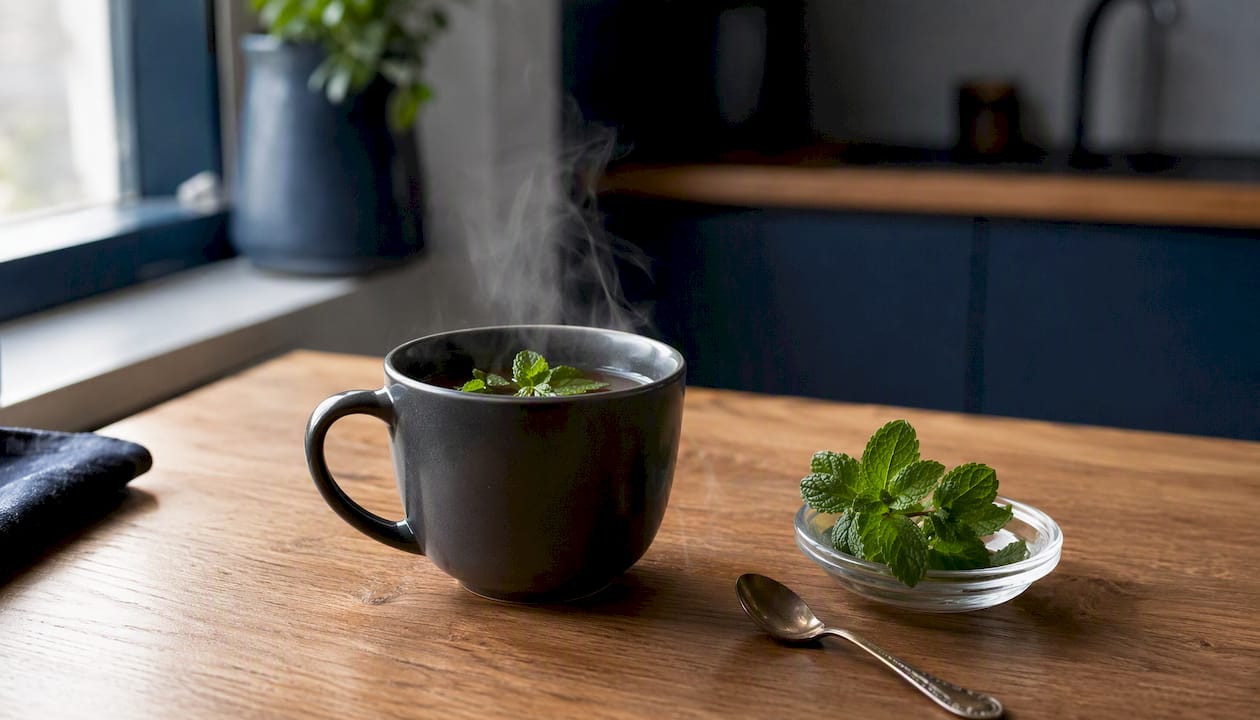
When to choose it: Cramps, bloating, IBS-type discomfort. Avoid if you have GERD or frequent heartburn.
Ginger
Ginger improves gastric motility and reduces nausea through compounds called gingerols and shogaols. NCCIH summarizes strong evidence for ginger reducing nausea, including motion sickness and pregnancy-related nausea, and notes supportive data for gastric emptying in some dyspepsia studies. Sip 20–30 minutes before a meal if you tend toward post-meal fullness, or at the first sign of nausea.
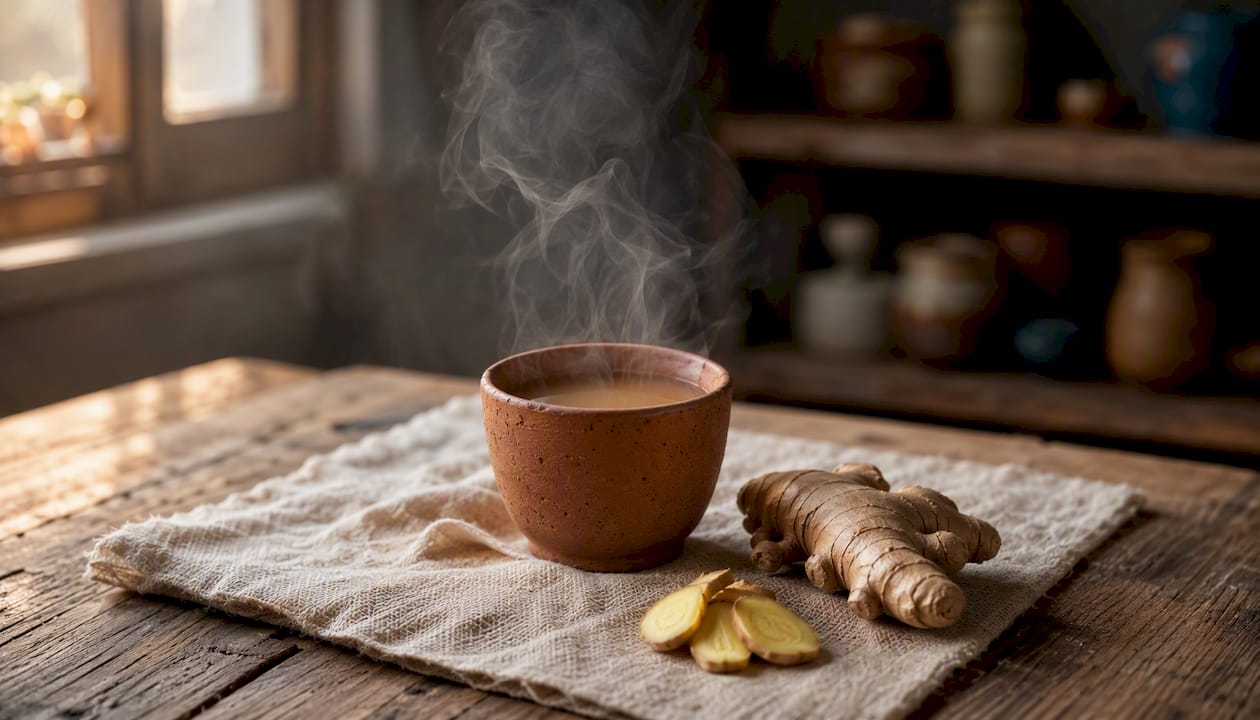
When to choose it: Nausea, post-meal heaviness, motion sickness. Check with a clinician if you take blood thinners.
Chamomile
Chamomile contains apigenin and other flavonoids that have mild antispasmodic and anti-inflammatory properties. Human trial data for brewed chamomile tea specifically is limited; most studies use extracts or multi-herb formulas. That said, chamomile has a long, consistent track record for soothing stress-related GI upset and mild cramps. It’s also caffeine-free, which makes it a natural fit for an evening digestion routine.
When to choose it: Stress-linked stomach upset, mild cramps, evening use. Avoid if you’re allergic to ragweed or other Asteraceae plants.
Fennel
Fennel seeds contain anethole, a compound that relaxes intestinal smooth muscle and helps expel trapped gas. Small human trials and animal studies suggest fennel can reduce flatulence and post-operative gas, though large-scale RCTs in healthy adults are limited. The carminative effect is real and consistent enough to make fennel the go-to for gas-dominant discomfort.
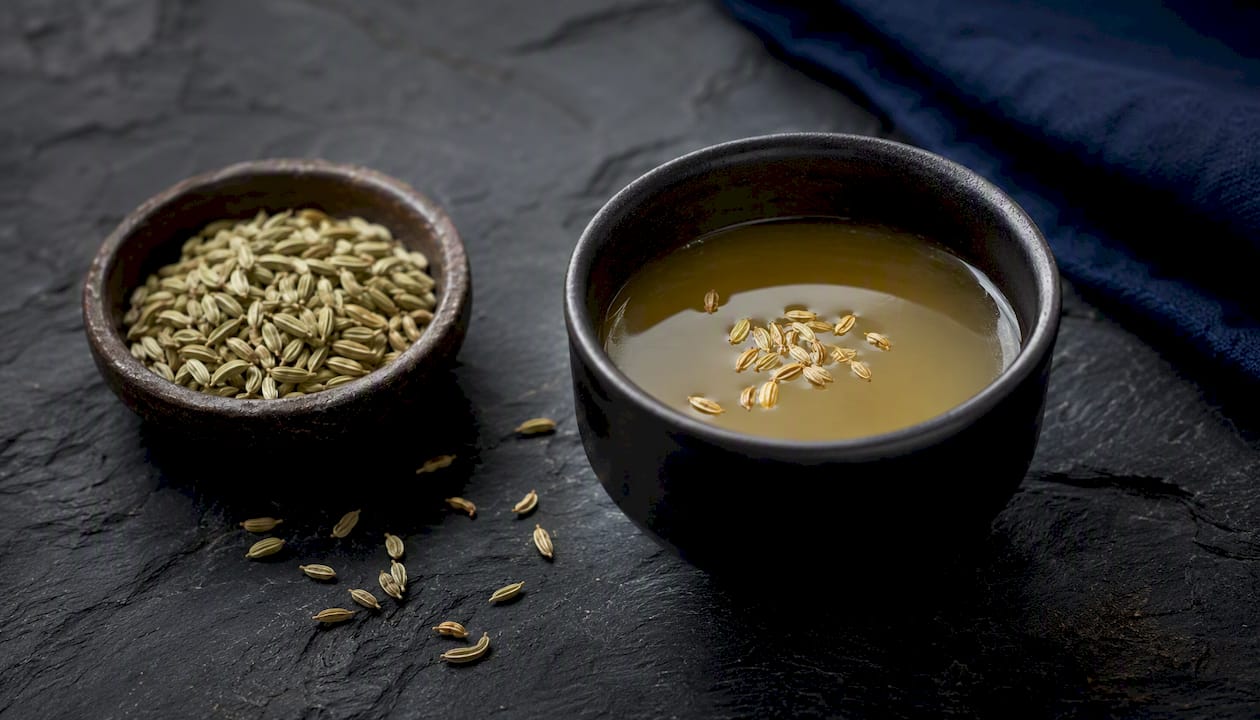
When to choose it: Gas, flatulence, post-meal bloating. Use cautiously during pregnancy; high doses are not recommended.
Green tea
Green tea’s catechins, particularly EGCG, show anti-inflammatory and microbiome-modulating effects in animal and small human studies. The evidence is mostly observational or preclinical, but the signal for supporting gut health and reducing fluid-retention-related bloating is coherent. Green tea also contains a modest amount of caffeine, which can stimulate bowel motility in some people.
When to choose it: Low-grade digestive inflammation, general gut support, mild constipation. Avoid on an empty stomach if you’re caffeine-sensitive.
Black tea
Black tea’s tannins have an astringent effect on the gut lining, which can help firm up loose stools. It’s one of the few teas with a plausible mechanism for diarrhea-type symptoms. The caffeine content also stimulates peristalsis, so timing matters: after meals rather than first thing in the morning if loose stools are the concern.
When to choose it: Loose stools, mild diarrhea. Limit to 2–3 cups daily; excess tannins can irritate the gut.
Licorice root
Deglycyrrhizinated licorice (DGL) is the form most commonly recommended for digestive use because the glycyrrhizin compound responsible for blood pressure effects has been removed. DGL may soothe the stomach lining and ease mild acid discomfort. Regular licorice root (with glycyrrhizin intact) raises blood pressure with prolonged use and should not be consumed daily.
When to choose it: Mild acid discomfort, stomach lining irritation. Use DGL form only; avoid regular licorice if you have hypertension or take diuretics.
Holy basil (tulsi) and spearmint
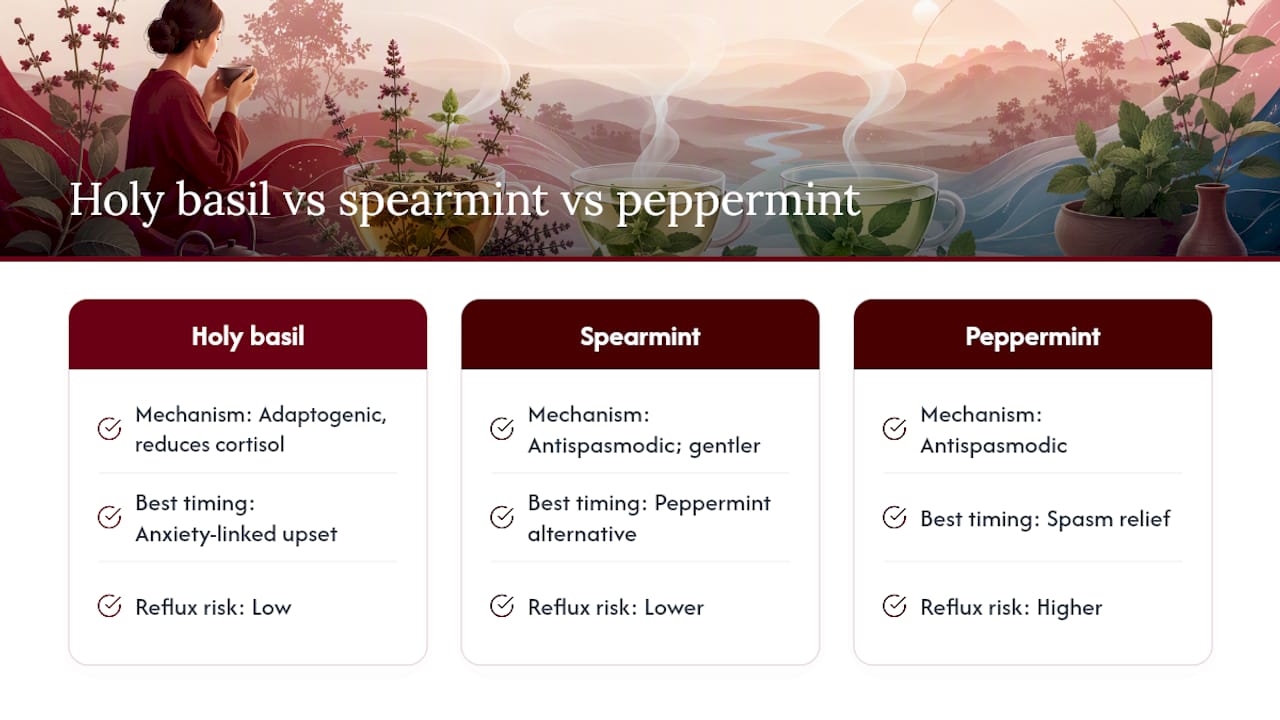
Holy basil has adaptogenic properties that may reduce cortisol-driven gut disruption. Spearmint is gentler than peppermint on the esophageal sphincter, making it a reasonable alternative for people who want the antispasmodic benefit without the reflux risk.
When to choose it: Anxiety-linked digestive upset, or as a peppermint substitute for reflux-prone individuals.
Comparison: mechanism, best timing, and reflux risk
Pro Tip: Loose-leaf herbs generally deliver more volatile oils than pre-packaged teabags, since whole or coarsely cut plant material retains more of the active compounds. If you’re using a teabag, squeeze it gently before removing to release a final burst of the brew.
How to brew digestive teas for maximum effect
Getting the active compounds into the cup requires the right water temperature, steep time, and technique. Rushing the brew or using boiling water on delicate herbs wastes the volatile oils you’re actually after.
For infusions (peppermint, chamomile, holy basil, spearmint, green tea):
- Heat water to 85–95°C (185–203°F). Full boiling water can degrade delicate volatile oils.
- Use 1–2 teaspoons of dried herb, or one standard teabag, per 8 oz of water.
- Place the herb in a covered mug or teapot.
- Steep for 5–10 minutes. Chamomile and peppermint benefit from the longer end; green tea needs only 2–3 minutes to avoid bitterness.
- Strain and sip while warm.
For decoctions (fresh ginger, fennel seeds, licorice root):
- Use 1–2 teaspoons of freshly grated ginger, crushed fennel seeds, or chopped licorice root per 8 oz of water.
- Combine with cold water in a small saucepan.
- Bring to a gentle simmer and hold for 10–15 minutes.
- Strain into a mug and let cool slightly before drinking.
Timing guidance:
- Nausea or motion sickness: sip ginger tea 30–60 minutes before travel or a meal.
- Post-meal bloating and gas: peppermint, fennel, or chamomile 20–30 minutes after eating.
- Acid discomfort: DGL licorice before meals.
- Evening digestion support: chamomile or fennel, both caffeine-free, work well 30–45 minutes after dinner.
Frequency: 1–3 cups daily is a reasonable range for most herbal teas. Daily licorice root (non-DGL) should be limited to short periods; see the safety section below.
Pro Tip: Always steep covered. Volatile oils like menthol in peppermint and anethole in fennel evaporate quickly in an open mug. A lid or small plate on top keeps those compounds in the cup where they belong.
Safety, contraindications, and herb-medication interactions to watch for
Most herbal teas are low-risk at typical serving sizes, but a handful of interactions and contraindications are worth knowing before you make any of these a daily habit.
Key safety principle: Herbal teas are food-grade at culinary doses, but at therapeutic frequencies they can interact with medications and affect hormone levels. If you take prescription medications or have a chronic condition, mention your herbal tea use to your clinician. They can’t flag an interaction they don’t know about.
Specific cautions:
- Peppermint: Relaxes the lower esophageal sphincter. Anyone with GERD or frequent heartburn should avoid it or switch to spearmint. Peppermint’s reflux risk is well-documented in clinical patient resources.
- Licorice root (non-DGL): Glycyrrhizin raises blood pressure and can cause potassium loss with prolonged use. Stick to DGL for daily digestive use, and avoid regular licorice entirely if you have hypertension, heart disease, or take diuretics or corticosteroids.
- Ginger: Mild blood-thinning properties. If you take warfarin, aspirin, or other anticoagulants, check with your clinician before using ginger therapeutically. Also use cautiously if you have gallstones.
- Fennel: Generally safe at culinary doses. High-dose fennel is not recommended during pregnancy due to its estrogen-like compounds. Herbal teas can also interact with hormones and medications in ways that aren’t always obvious.
- Chamomile: Cross-reactive with ragweed, chrysanthemums, and other Asteraceae plants. If you have seasonal allergies to these, start with a small amount and watch for a reaction.
- Green tea: Contains caffeine. Avoid large amounts if you’re sensitive to caffeine, pregnant, or taking iron supplements (tannins can reduce iron absorption).
For storage and dosing: keep daily licorice use to under two weeks at a time unless using DGL. Rotate herbs rather than relying on one tea every single day.
Pro Tip: Keep a simple symptom log for 1–2 weeks when you introduce a new herbal tea. Note what you drank, when, and how your gut responded. Patterns emerge faster than you’d expect, and you’ll have something concrete to share with a clinician if needed.
When tea isn’t enough: red flags that need a clinician
Tea works well for routine, mild digestive discomfort. For most adults, 24–72 hours of self-care is a reasonable window before checking in with a clinician. Stop self-treating and seek medical evaluation if you notice any of the following:
- Severe or rapidly worsening abdominal pain
- Persistent vomiting lasting more than 24 hours
- High fever alongside digestive symptoms
- Blood in stool or vomit
- Unintentional weight loss without a clear cause
- Jaundice (yellowing of skin or eyes)
- Diarrhea persisting beyond 48–72 hours in adults
Tell your clinician which herbal teas you’re using. Some herbs affect how medications are metabolized, and knowing your full picture helps them make accurate assessments.
What the clinical research actually shows about tea for digestion
The evidence is strongest for peppermint and ginger, moderate-to-limited for chamomile and fennel, and mostly preclinical for green tea’s gut effects. A 2023 systematic review found peppermint oil more effective than placebo for reducing IBS symptoms, including pain and bloating, across multiple trials. That’s the most consistent clinical signal in this category.
Ginger holds up well for nausea. NCCIH cites clinical evidence for ginger’s anti-nausea effects, including motion sickness and pregnancy-related nausea, and notes supportive data for gastric emptying. For chamomile and fennel, the human data are thinner: most trials use extracts or multi-herb formulas, and sample sizes tend to be small.
The critical limitation: Most clinical trials in this space use concentrated extracts, enteric-coated capsules, or multi-herb formulas rather than brewed tea. A clinical evidence overview published in PMC highlights that many studies have small sample sizes and significant variability in preparation and dose, making it difficult to draw firm conclusions about what a standard cup of brewed tea will do. Brewed tea is generally lower-dose than the extracts studied.
Green tea’s catechins show anti-inflammatory and microbiome effects in animal models and small human studies, but the evidence for meaningful digestive benefit in healthy adults is observational. The honest read: tea is a plausible, low-risk supportive tool, not a proven treatment. For a deeper look at how brewed tea compares to supplements and capsules in terms of dose and bioavailability, the herbal tea versus supplements comparison is worth reading before you decide which format to use.
Side effects and allergy considerations beyond the main contraindications
Even teas with clean safety profiles can cause problems at high doses or in sensitive individuals.
Peppermint can cause heartburn, mouth irritation, or headaches in some people, particularly at high concentrations. Ginger occasionally causes mild GI irritation, heartburn, or mouth burning, especially on an empty stomach. Chamomile allergic reactions range from mild skin irritation to, rarely, anaphylaxis in people with severe Asteraceae allergies. Fennel can cause photosensitivity in some individuals with prolonged topical exposure, though this is less relevant for brewed tea. Green tea consumed in large quantities can cause nausea, insomnia, or iron-deficiency symptoms due to tannin-mediated iron binding. Licorice (non-DGL) at high doses has been linked to pseudohyperaldosteronism, a condition involving sodium retention, potassium loss, and elevated blood pressure.
Allergy cross-reactivity is worth flagging beyond chamomile: fennel shares botanical family ties with celery, carrot, and anise, so people with oral allergy syndrome related to those foods may react to fennel tea. If you’re trying a new herb for the first time, start with a half-strength cup and wait 30 minutes before drinking more.
Where to buy quality herbal teas in Canada
Quality varies considerably across the Canadian market, and the difference between a well-sourced herb and a stale, low-grade teabag is real.
Specialty and natural health retailers like Bulk Barn, Noah’s Natural Foods (Ontario), and Community Natural Foods (Alberta) carry loose-leaf herbs and single-ingredient teas with reasonable turnover, which matters for freshness. Health food co-ops in most mid-sized Canadian cities often source from smaller, traceable suppliers.
Online is where the selection expands most. Canadian-based artisanal brands ship directly and often provide clearer sourcing information than mass-market options. Look for brands that list the herb’s country of origin, the plant part used (leaf, root, seed), and whether the product is certified organic. Aurumhaus ships within Canada and offers small-batch botanical blends with transparent ingredient sourcing, which is a practical advantage when you want to know exactly what’s in the cup.
What to look for on labels: single-ingredient or clearly listed multi-herb formulas, no artificial flavoring, and a harvest or best-before date. Avoid products with vague “proprietary blend” labels that don’t disclose individual herb quantities.
How to store herbal teas to keep them potent
Light, heat, moisture, and air are the four things that degrade herbal tea fastest. An airtight tin stored in a cool, dark cupboard is the baseline standard. Avoid storing tea near the stove or on a sunny countertop.
Loose-leaf herbs generally stay potent for 12–18 months when stored properly. Teabags in foil-sealed pouches can last up to two years, but once the package is opened, treat them like loose leaf. Roots and seeds (ginger, fennel, licorice) tend to hold their volatile compounds longer than delicate leaves and flowers.
Never store tea in the refrigerator unless it’s sealed airtight. Condensation from temperature changes introduces moisture, which accelerates mold and flavor loss. A dedicated tea tin with a tight lid, away from spices and strong-smelling foods, is the most practical solution for most households.
Mindful tea drinking as part of digestive self-care
The most useful framing for tea and digestion is this: tea is a low-risk, supportive tool that works best when it’s part of a broader approach that includes hydration, mindful eating, and movement. It’s not a replacement for addressing the root cause of chronic digestive trouble, but for everyday discomfort, a well-chosen cup at the right moment genuinely helps.
At Aurumhaus, the approach to functional tea rituals is built around matching the right ingredient to the right moment rather than reaching for a generic “digestive blend” and hoping for the best. Single-ingredient options let you isolate what’s actually working. A blend makes sense once you know your gut’s patterns.
One practical suggestion: after dinner, brew a covered cup of fennel or chamomile, sit with it for ten minutes without a screen, then take a short walk. The tea supports motility, the stillness reduces cortisol-driven gut tension, and the walk physically assists gastric emptying. That combination is more effective than any one element alone.
Aurumhaus botanical teas for digestive wellness
This article is published by Aurumhaus, an artisanal botanical tea brand based in Canada. The following is a transparent product mention.

Aurumhaus offers small-batch, single-ingredient and blended botanical teas with clearly sourced ingredients, including options relevant to digestive wellness. Unlike mass-market teabags, each blend is made to order with traceable botanicals and no artificial additives. Canadian shipping is available directly through the site, so you’re not waiting on cross-border delays for a product you want fresh.
Browse the Rare Botanicals collection to find single-ingredient options and curated blends suited to your digestive needs, and order directly for Canadian delivery.
Sources
The following sources were used in preparing this article. Most are systematic reviews, clinical databases, or authoritative health organization summaries. Note that the strongest clinical evidence in this category comes from studies using concentrated extracts or capsules rather than brewed tea, so findings should be interpreted with that gap in mind.
- 8 Herbal Teas to Help Reduce Bloating — Healthline
- PubMed: Review on peppermint oil and IBS (ID 36994979)
- Ginger — NCCIH
- Peppermint — Mount Sinai Health System
- PMC article: clinical evidence overview (PMC9580527)
This article provides general wellness information and is not a substitute for professional medical advice. Confirm current guidance with a qualified clinician, especially if you have a chronic condition, are pregnant, or take prescription medications.
0 comments